web
Find the right CMS solution
Choosing the right CMS solution can be difficult. On this page we have gathered our experience from the last 15 years of professional web development.
Uncover the need first
The choice of CMS depends on your specific needs and requirements. Traditional CMSs are ideal for simple to complex solutions with rapid development and lower costs. Headless CMSs offer greater flexibility and advanced solutions, but require more technical expertise and can be more expensive. Hybrid CMSs combine the best of both worlds but can be more complex to implement.

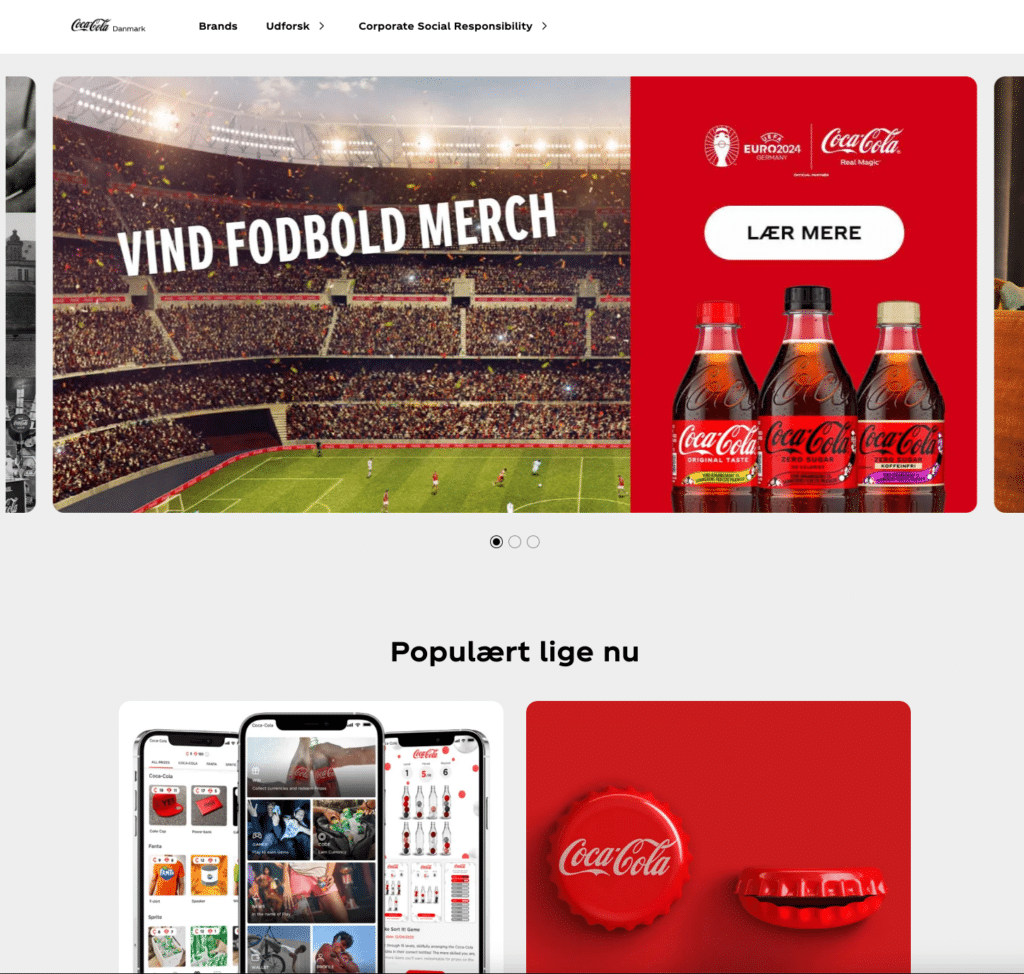
Example of Traditional CMS:
Coca-Cola
Coca-Cola uses WordPress as their CMS. WordPress is a traditional CMS that allows them to manage their content efficiently while integrating SEO and translation tools. This allows Coca-Cola to deliver a consistent and user-friendly experience on their website, which is essential for maintaining their global brand image and engagement with customers.
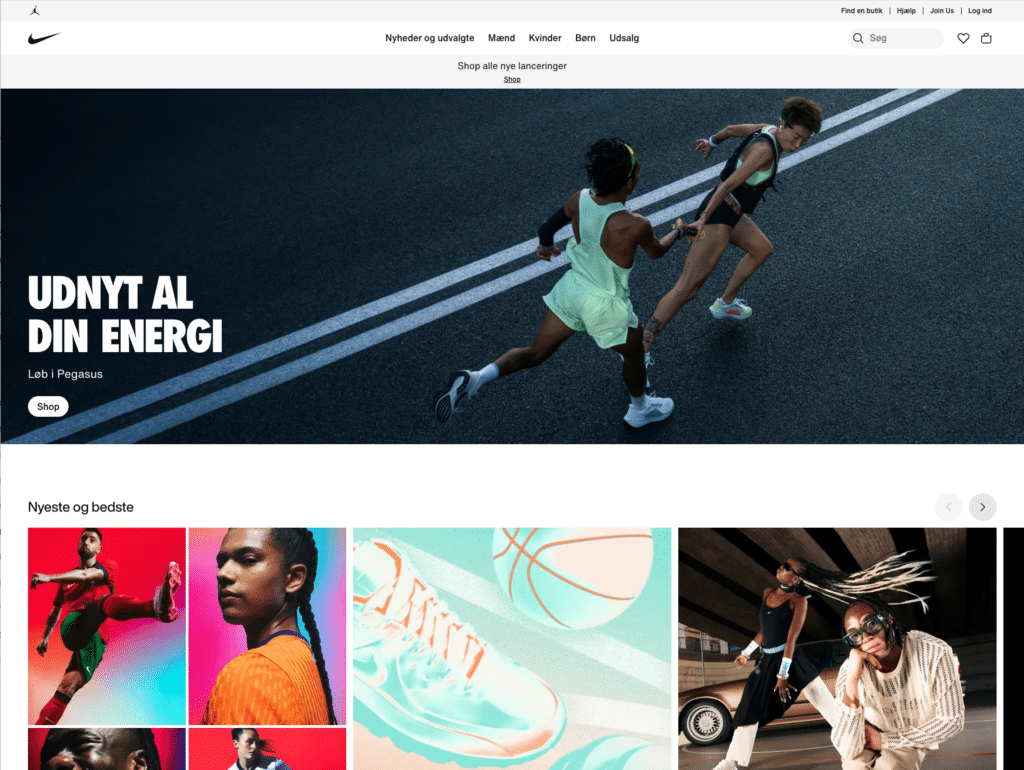
Example of Headless CMS:
Nike
Nike uses Contentful as their headless CMS. Contentful allows Nike to deliver content quickly and efficiently across different platforms using their API-based approach. This gives Nike the flexibility to integrate their ecommerce platform with different technologies and deliver a seamless user experience, which is essential to meet the high expectations of their technologically advanced and globally dispersed customer base.
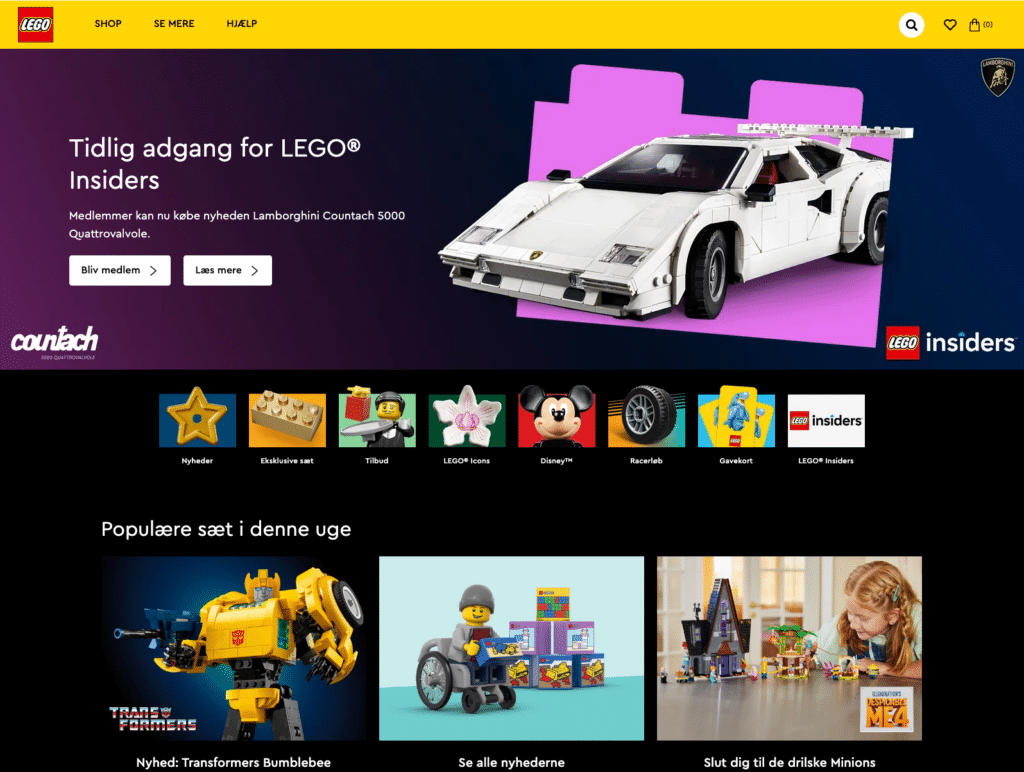
Example of Hybrid CMS:
LEGO
Lego uses a hybrid CMS approach, combining WordPress for their blogs and editorial content with a headless CMS for their ecommerce platform. This gives them the flexibility to manage content efficiently and deliver it quickly to their global audience, while taking advantage of WordPress’ ease of use and headless CMS’ advanced distribution capabilities. This hybrid solution ensures that Lego can offer an engaging and interactive experience for their users, both on their website and in their online shop.
Niels Thysk Sørensen
COO & Partner